One of the most well-known temples in Parippally, Kollam, is the Kodimoottil Sri Bhadrakaali Temple.
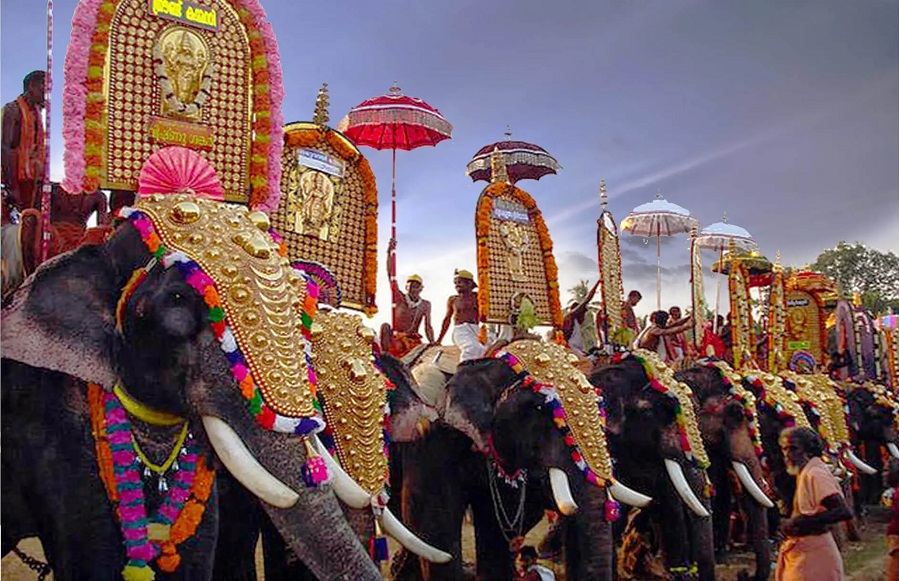
The yearly festival honouring Goddess Bhadrakali at the Kodimoottil Sree Bhagavathy Temple includes the Paripally Gajamela.
In Malayalam, the word "Gajamela" refers to an elephant celebration. Elephant involvement is considered essential to every celebration.
As an avatar of Lord Ganesha, elephants are revered. Elephants were once kept as pets by wealthy people in Kerala and were regarded
as members of the family. On their special day, Keralans pay close attention to elephant pageants. In the temple of the goddess Bhadrakali,
worshipers dedicate elephants in the hopes that their presence during the parade will usher in wealth and prosperity.
Literature Festival,Jaipur
The Jaipur Literature Festival is a festival of its type and is sometimes referred to as the biggest literary event in the whole world.
Authors and dignitaries from all over the world, particularly from South East Asian nations, participate in the five-day event that is planned,
observed, and celebrated. They engage with the crowds on a variety of topics and take part in readings, debates, and discussions with them or with
each other. The Festival is essentially a gathering of some of the brightest minds in history, humanitarianism, sports, business, and entertainment
who take the stage to present their perspectives and points of view.
International Yoga Festival,Uttarakhand
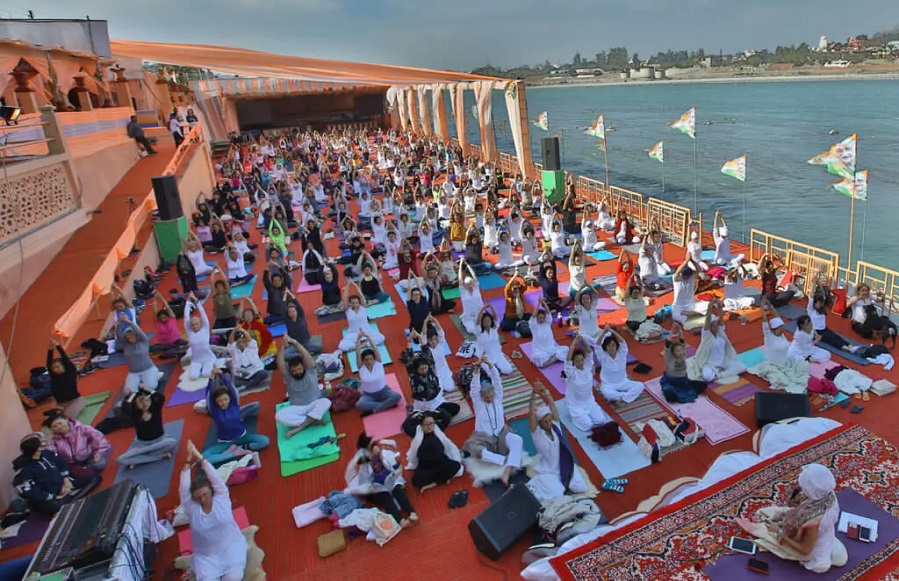
Yoga, an ancient Indian science of health and wellbeing, is celebrated during the International Yoga Festival in Rishikesh, Uttarakhand.
The science and the specific guidelines and procedures for the activity were written down by the renowned guru Patanjali.
Yoga was mainly created as a tool to achieve balance between the body, mind, and spirit. Yoga is a way of life, as are many yogic
postures and breathing exercises. With its holistic practises, yoga has transformed lives all across the world.
The International Yoga Festival is a fantastic way to incorporate yoga into one's daily life.
The seven-day event cleanses and detoxifies the body, soul, and mind. Ashtanga, Vinyasa, Bhakti, Kundalini, Raja, and Iyengar yoga
styles are among many that are taught and made available throughout the Festival.
Braj Festival,Rajasthan
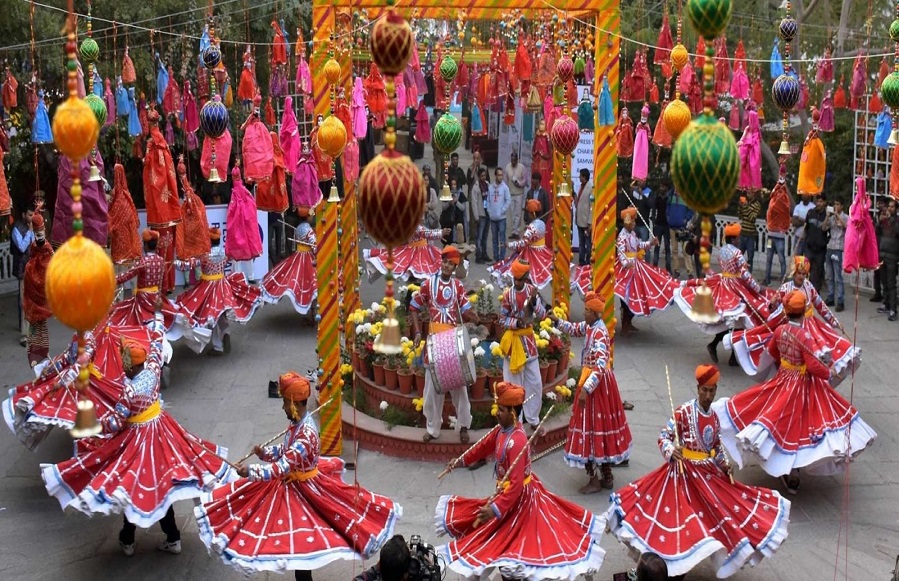
The birthplace of Lord Krishna, the Braj Bhoomi, is very well known. This is also regarded as the actual ground on which
Lord Krishna spent his formative years. Additionally, on the auspicious occasion of this festival, a large number of artists
unite to present Ras Leela, a play that essentially tells the story of Lord Krishna. The traditional ethos that distinguishes
India from the rest of the globe is really blended during the Brij festival in Bharatpur.
It is regarded as a particularly significant location for members of the Buddhist community.
Raslila Dance, Colorful Costumes and Folk Songs, and Sacred Dipping in the Banganga River are the main draws of the Rajasthani Brij Festival.
Holi Festival,North India
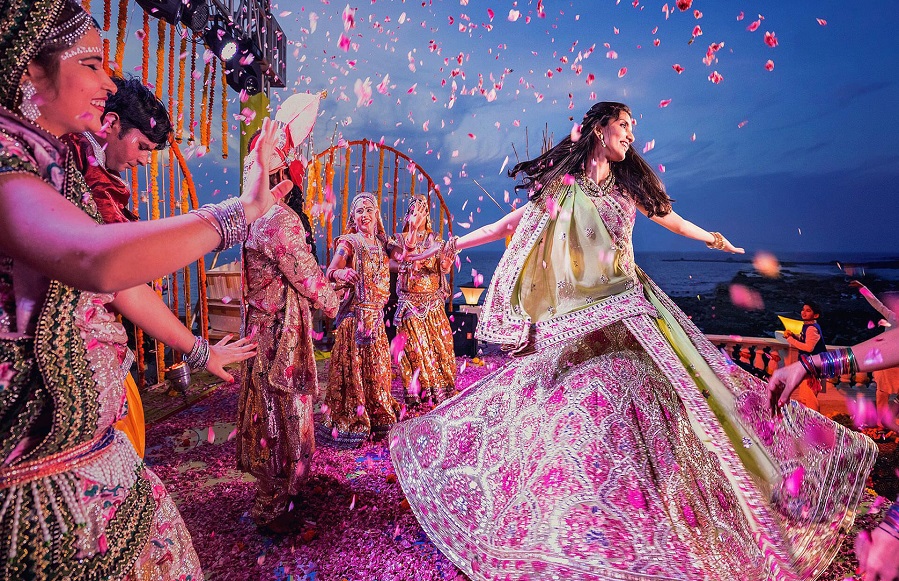
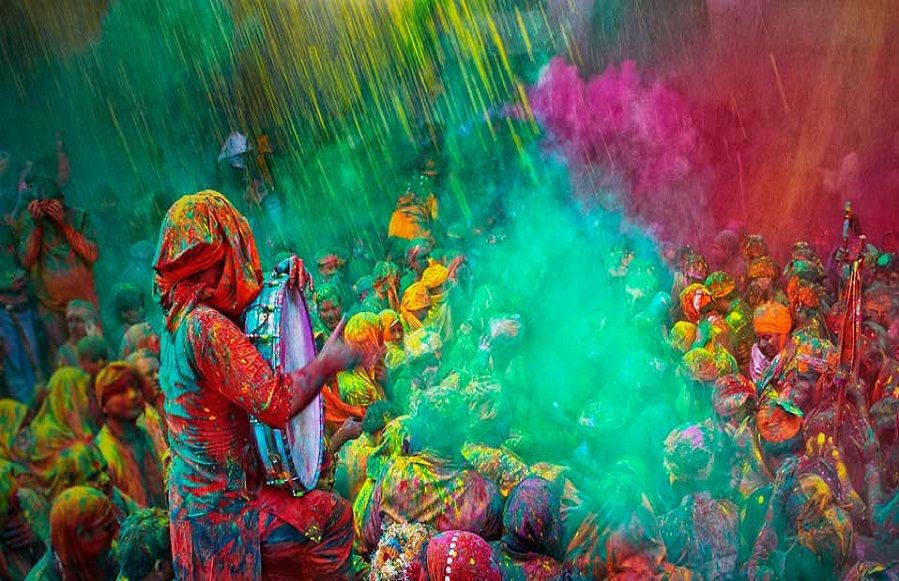
One of India's biggest festivals, Holi, is also the most colourful. The delights of Holi are limitless.
The event is observed worldwide, or rather, in the four corners of India. The celebration is so exuberantly
fun-filled that just the mention of the name "Holi" makes people grin and become excited. Holi also commemorates
the start of spring, a happy and hopeful season. In rural India, Basant Utsav is known as Holi. As one of the biggest
festivals in India, it is a time of great delight and fervour. Pichkaris, gulal, and abeer are all associated with the celebration.
Plans are created in great detail in order to colour the loved ones.
Hola Mohalla Festival,Punjab
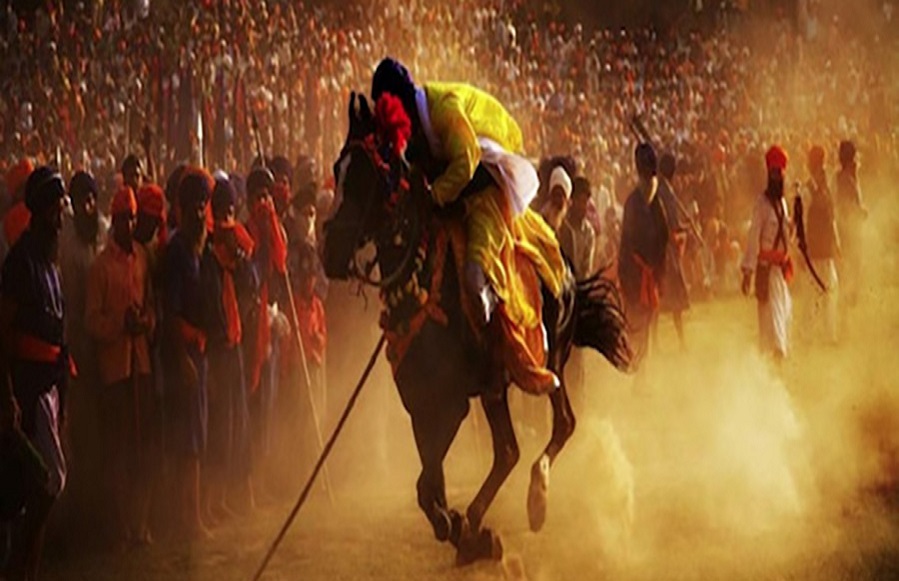
The Hindu celebration of colours known as Holi is followed immediately by the Hola Mohalla Festival.
It is a significant yearly fair that lasts for three days and is hosted at Anandpur Sahib.
The legendary Punjabi Guru Gobind Singh founded the Hola Mohalla Fair to allow Sikhs to train for battle.
During the three days of the course, mock fights are also held. The Nishan Sahibs of the Gurudwara lead the martial arts parades,
which the Sikh community attends and participates in as a way of remembering the Hola Mohalla Festival.
Hola, a word derived from "halla," implies "military charge." According to Mahan Kosh, the earliest Sikh encyclopaedia, a mohalla is a planned procession.
Therefore, the combination of the phrases Hola and Mohalla means "the charge of an army."
Taj Mohotsav,Uttarpradesh
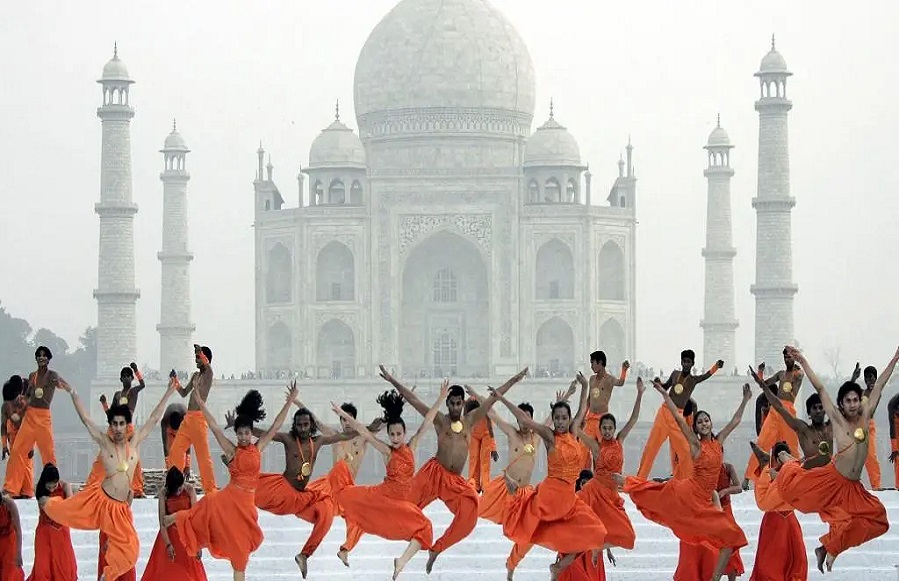
One of the most anticipated festivals, Taj Mahotsav, is held at Shilpgram next to "Taj Mahal's" eastern entrance from March 20 to March 29.
This ten-day carnival serves as a lively informational hub about India, showcasing the country's many arts, crafts, customs, food, dance, and music.
The celebration opens with a road parade with elephants and camels that have been adorned to resemble the triumphal processions of Mughal emperors
and warriors. The parade also includes drummers, trumpeters, folk dancers, and expert craftsmen and artisans. Indian artists from all around the country
gather here to exhibit their work.
Hoysala Mahotsav,Karnataka
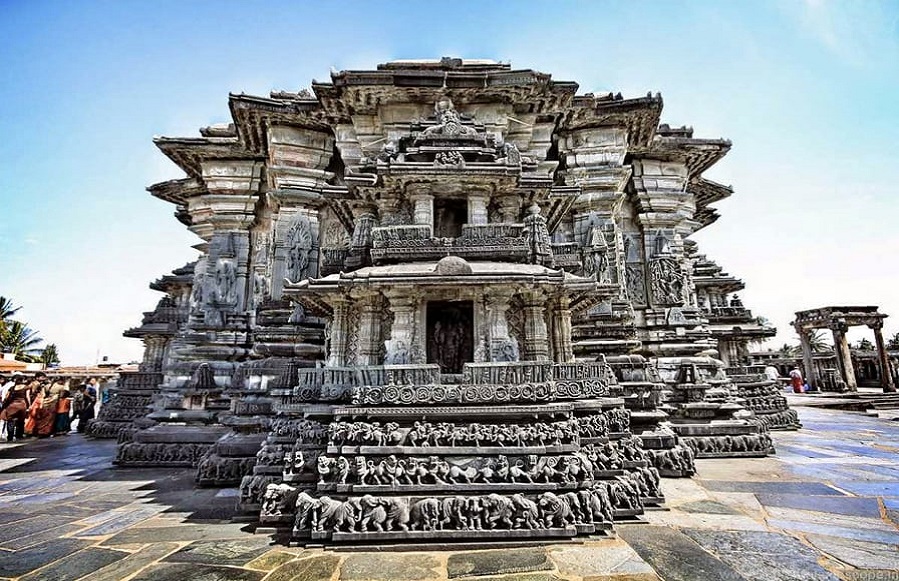
Hoysala Mahotsava is a spectacular festival of Indian culture and tradition, drawing artists from all across the nation to take part.
Through many kinds of dance, music, and art, the Hoysala Mahotsava is a beautiful event that honours King Hoysala's tremendous military
triumph as well as the Hoysala Dynasty of India. The honorific arts are dedicated to King Hoysala, whose military prowess and valour
are commemorated on the temple's walls. Hindus consider the event, which is held in the temples of Belur Halebid in Karnataka, to be sacred and lucky.
With its school of dance, music, and art, this festival is a stunning and mesmerising event that one might spend the entire day taking in with friends and family.