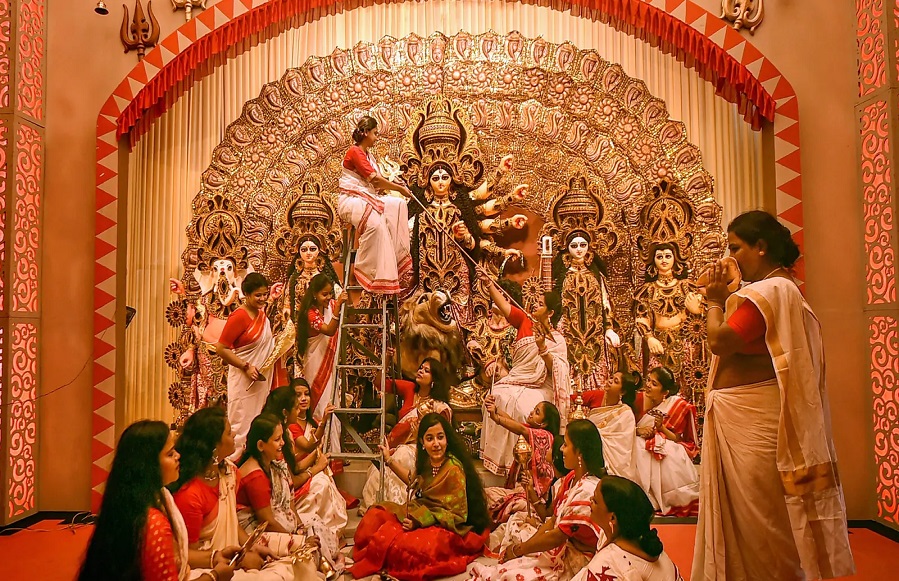
West Bengal, Bihar, Assam, and Odisha are Indian states that actively participate in the celebration of Durga Puja.
Five days are dedicated to its celebration. Streets are decorated with holiday lights, loudspeakers play holiday music
and priests recite hymns and chants, while local communities construct pandals. The five days of the real Puja, which run
from Sosthi (the sixth day of Navaratri) to Dashami, are filled with many ceremonies and rituals (the tenth day, Vjayadashami or Dussehra).
Here are some of the most well-liked customs.On Saptami, the Nabapatrika Snan occurs (the seventh day). The Nabapatrika, also known as
Kola Bou (Banana Bride),is positioned next to Ganesha after being wrapped in a sari.
Everyone else has the opportunity to show their respect by making a Pushpanjali, or Anjali as it is more commonly known, which is a
flower offering made with cupped palms, while the priests carry out the ceremonies and rituals related to goddess worship. The Kumari Puja is
held on Ashtami (eighth day). A prepubescent girl is chosen to be revered as Durga's live embodiment. Sandhi Puja takes place at the time when
Ashtami and Navami collide. It commemorates the time when the goddess Durga manifested as the enraged Chamunda to slay the demons Chanda and Munda.
A total of 138 lights are lighted.One of the wild yet enjoyable rites that occurs on Navami (the ninth day) evening is Dhunuchi Naach. Charcoal is
lit and placed into clay pots. People start dancing while holding it in their hands and responding to the dhaak's beat. ioy Dashami The yearly
celebration comes to a conclusion at this point. The deity bids goodbye to Dashami before being carried outside for a river immersion.
One of the rites is Sindur Khela, in which married ladies (but not widows) present the goddess with vermillion and sweets.
Special candies are given out, particularly Naru or roundels prepared with coconut and jiggery.
Kullu Dussehra Festival,Himachal Pradesh
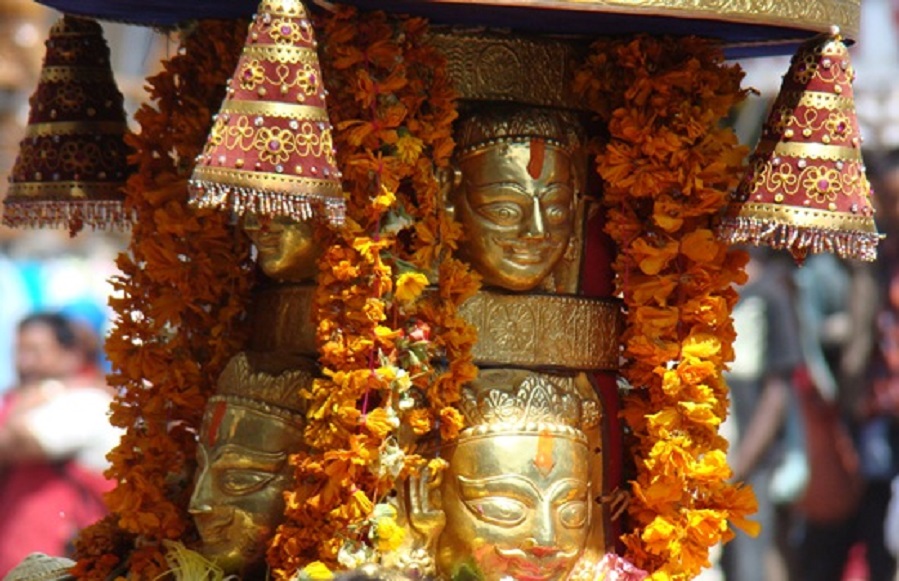
One of Himachal Pradesh's most stunningly gorgeous regions is Kullu, often known as the "Valley of Gods".
This peaceful hill village in northern India is well known for drawing tourists from all over the world.
The valley, also known as "Kulanthapitha," has long been a favourite spot for tourists looking to enjoy
the mysterious landscape and simple way of life. The celebration of Dussehra is eagerly anticipated and
celebrated in the Kullu Valley. Beginning the week-long event is a parade of Lord Raghunath and other gods
through the town on a ratha. This ceremony also includes participation from the local gods and lesser deities.
The Dhalpur Maidan serves as the main gathering place. Visitors are filled with joy as a result of the festivities,
the great weather, and the spectacular beauty of the valley.
Dussehra Festival,Delhi
The primary Hindu holiday, Dusshera, is still observed by those who uphold the ideals of harmony, peace, love, community,
bravery, and purity. The Indian epic Ramayana depicts each of these. Various traditions and rituals are observed throughout
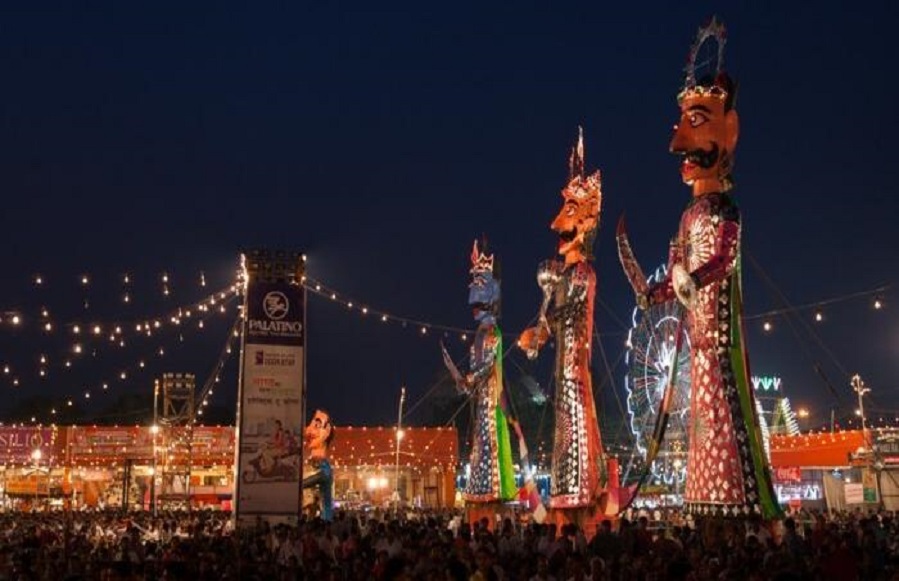
the days of Dussehra. A spectacular spectacle awaits spectators as huge sculptures of Ravana, Kumbhakaran, and Meghnad are
doused in fireworks and set on fire. People sing "Jai Shree Ram" to celebrate Lord Rama's triumph over Ravana. Additionally,
Durga Puja celebrations are held around Delhi in places like Kalibari, Kashmiri Gate, CR Park Kalibari, and Minto Road Puja Samiti.
Numerous residents of Delhi as well as visitors adore it.
International Folk Festival,Rajasthan
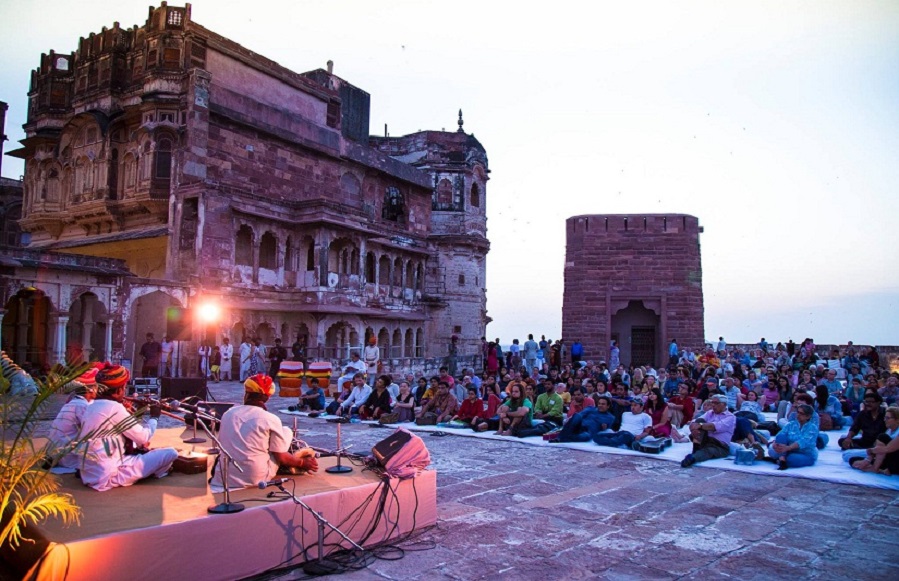
RIFF, also known as the Rajasthan International Folk Festival, is a project of the Mehrangarh Museum Trust and the Jaipur Virasat
Foundation. RIFF, which takes place inside Jodhpur's stunning Mehrangarh Fort, has become a yearly event on the international music
calendar. RIFF was intentionally created to be a spectacular 21st-century client for Rajasthan's traditional rural music and performers.
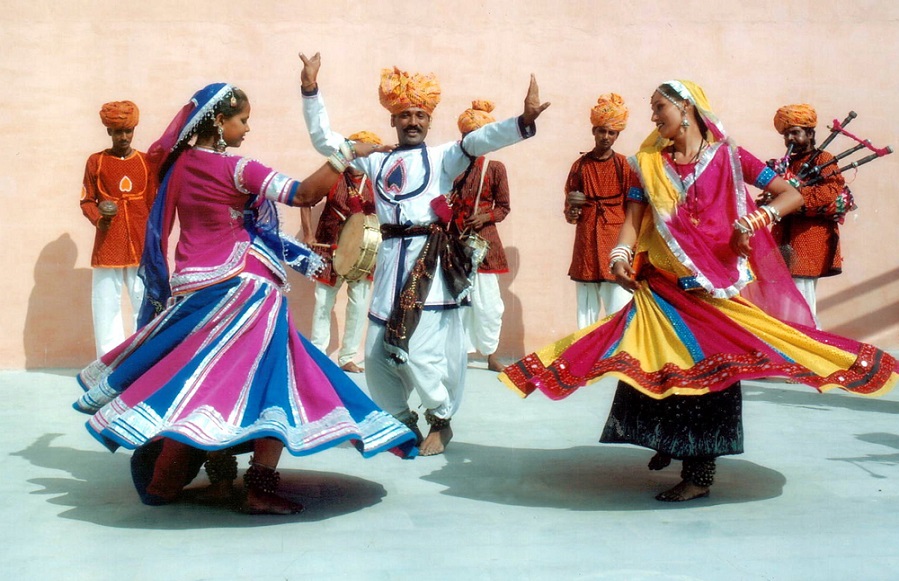
The festival's features include musical concerts and displays of traditional folk music and art. Every night throughout the celebrations,
incredible star acts are featured. The festival may also have activities such as a Rajasthani night, a jazz night, traditional and gypsy
dance performances, early morning ragas, etc.
Marwar Festival,Rajasthan
The Marwar Festival, which is held every year in the city of Jodhpur, is one of the most remarkable of Rajasthan's
numerous diversified and vibrant celebrations. Originally known as "Maand," this event honours the bravery of the military
kings and princes of Rajasthan. The Marwar celebration lasts for two days, and Jodhpur, the former capital of the Marwar state,
serves as the hub of activity. In honour of the Rajput warriors from its illustrious royal history, the festival is observed during
the Sharad Poornima days. Folk music and dance depicting the amorous lifestyles of Rajasthan's former rulers and kings are the festival's
principal draws.
India Craft Week
India Craft Week is an event that supports craftspeople and artists by curating an exhibition and holding a sale.
Along with Indian and foreign designers, businesses, galleries, institutions, and organisations with craft at their
centre, it brings together classic masters and modern innovators. Among the features are a symposium, exhibits, master
courses, seminars, installations, screenings, and traditional performances. The show will feature one-of-a-kind works of
art by the artist that have profoundly meaningful paintings on natural motherhood and phenomena. You're invited to witness
the mind-bending canvas painting at the exhibition of modern art.
Bateshwar Fair,Uttarpradesh
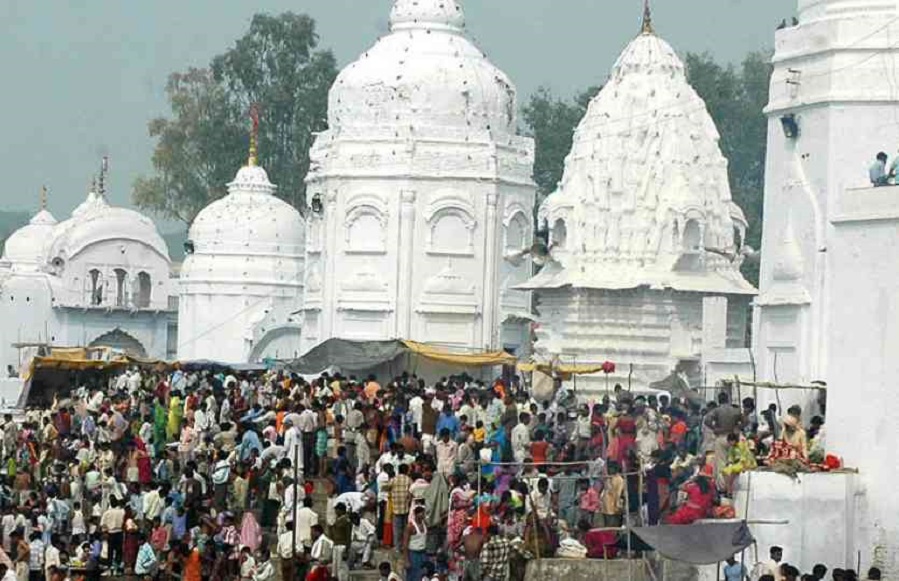
Bateshwar Nath's name first appears on India's historic religious sites. This location bears the name of Lord Shiva.
There are 101 Shiva temples in Bateshwar that are located along the banks of the Yamuna and Shauripur rivers. The state's spiritual
and cultural hub, Betheswar, hosts the renowned Bateshwar fair. An animal fair is held here in the months of October and November each year.
This animal feast is denoted by Pashupati, one of Lord Shiva's names. This cuisine is well-known both in India and beyond the world.
Visitors from all over the world come here to observe and take in the event.
There are three phases to this animal-fare event. Selling of cows and cattle takes place in the second stage after the first stage of selling
of camels, horses, and donkeys. The final segment of the journey concludes with cultural programmes. One week prior to the beginning of the feast,
the animal vendors begin to arrive at this location. The event also features several animal races. In contrast to our frantic existence, Bateshwar's
little village offers calm. For both Hindus and Jains, this location has grown in popularity as a tourist destination.
Diwali Festival
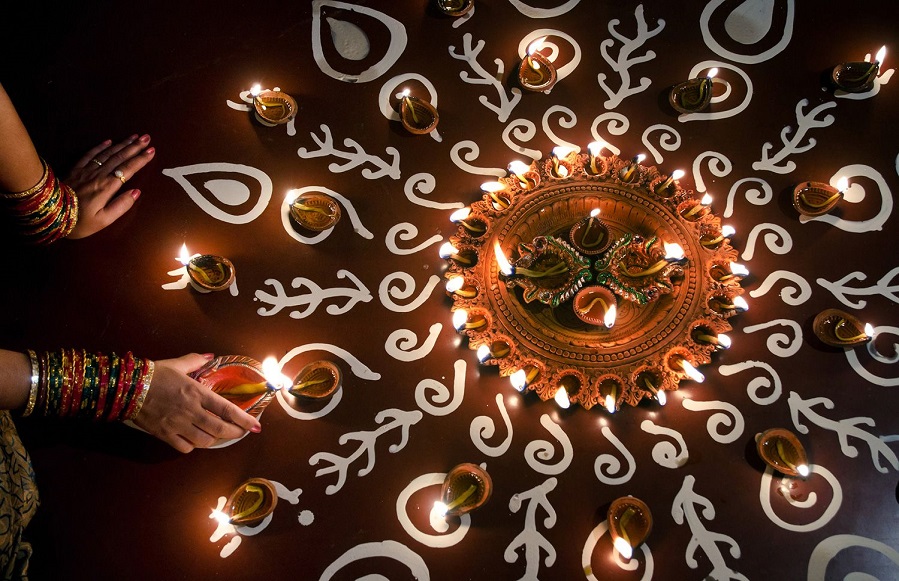
The Sanskrit term deepavali, which translates to "row of clay lights," is where Diwali, also known as Deepawali, derives its name.
As part of a celebration honouring the victory of good over evil, many people in India will light these lamps outside their houses
to represent the inner light that shields them from spiritual darkness. Diwali is a festival of fresh starts and the victory of good
over evil. For some, it also falls around harvest and new year celebrations.Authorities at Ayodhya, a temple town in northern India,
lighted roughly a million of these lamps along a river. The Hindu god Lord Ram is thought to have been born at Ayodhya, and Diwali is
remembered as the day he arrived back there after vanquishing a demon.Fireworks and religious music are used at festivities all around India.